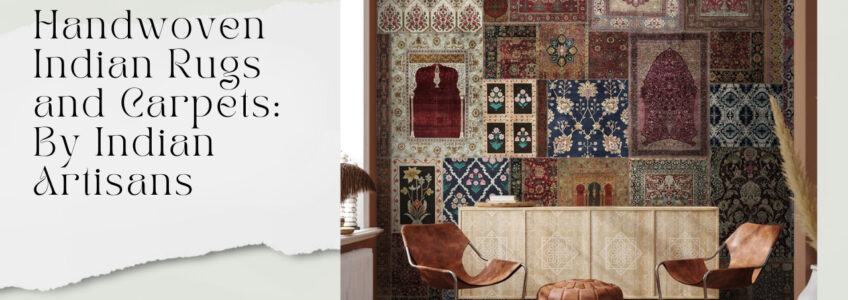
Handwoven Indian Rugs and Carpets: By Indian Artisans

Handwoven Indian Rugs and Carpets: By Indian Artisans

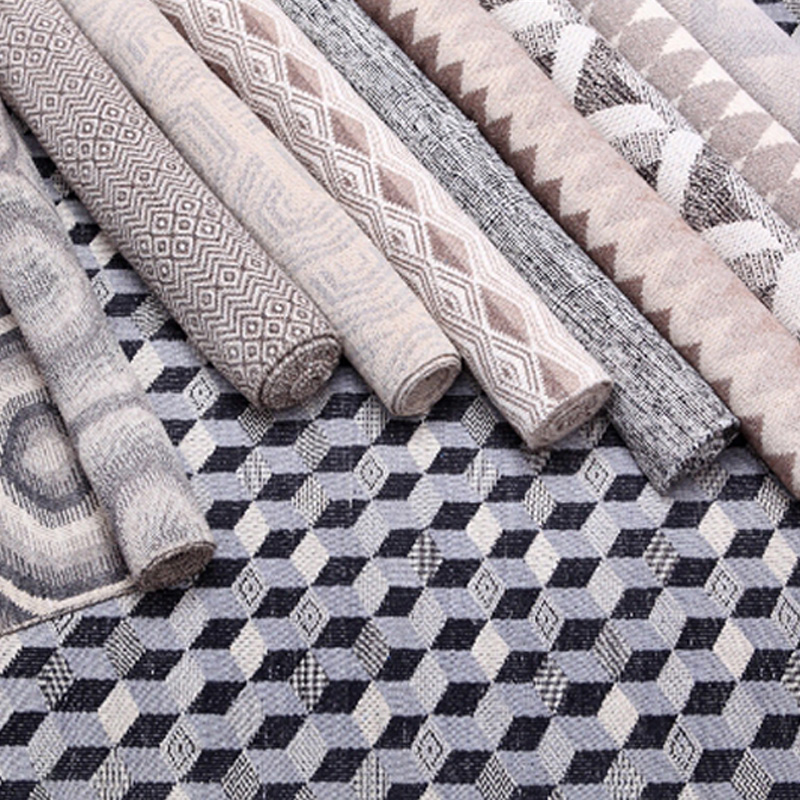
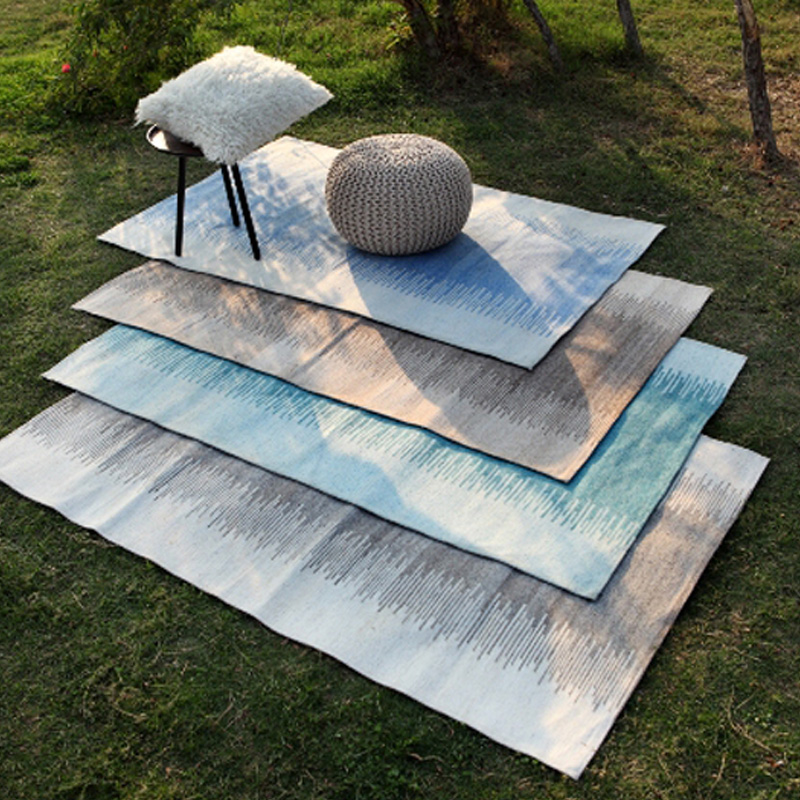
India has a rich history when it comes to carpets and rugs, with a tradition that dates back centuries. The art of carpet weaving in India has been influenced by various cultural, religious, and historical factors. Artisans play a crucial role in the creation of carpets and rugs in India. These skilled craftsmen contribute to the country’s cultural and artistic heritage. Handwoven rugs and carpets not only add up to the beauty of your living space but they also narrate a story with every thread that is woven by the hard-working artisan. Rugs and carpets differ from one another to some extent. Let’s explore the differences between them. 

Indian Rugs 

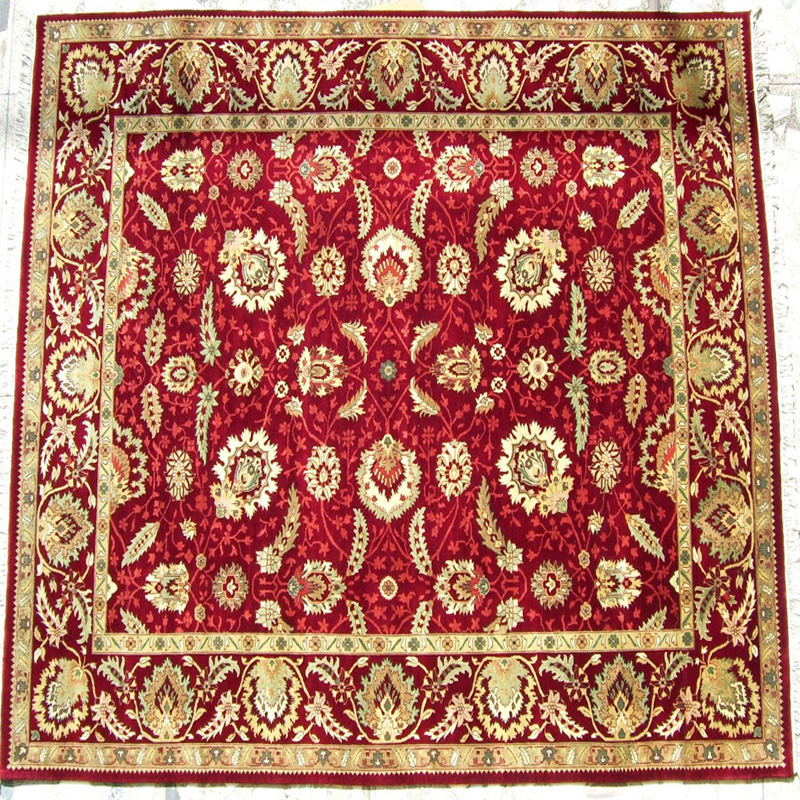
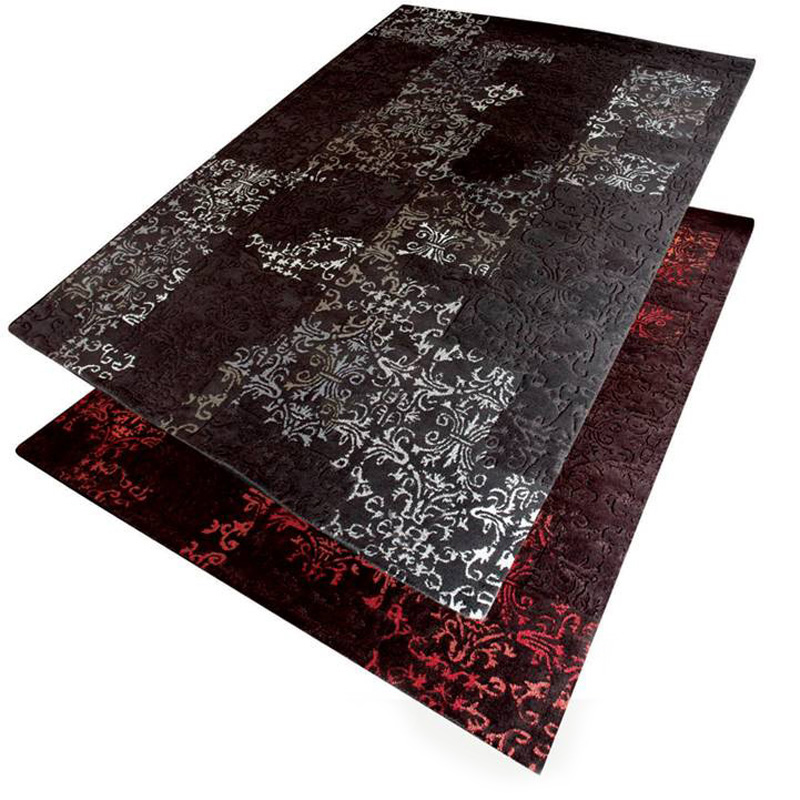
Rugs are typically utilised to cover particular portions of a room because of their smaller size. They can be utilised as ornamental items or tucked under furniture. Rugs can have complex patterns and designs, but in a smaller area, the detail may be more focused. Rugs are adaptable and simple to relocate into different areas. They can be put in living rooms, bedrooms, or entryways and are frequently utilised for decorative purposes. In India, hand-knotted rugs are a regular sight, with expert artisans carefully tying each knot by hand. High levels of craftsmanship and complex designs are possible with this technology.  Indian carpets can be made from a variety of materials, such as silk, wool, or both together.

Indian Carpets 

On the other hand, carpets typically cover a room’s whole floor and cover a greater area.  Because of their bigger size, carpets may accommodate larger, more intricate designs, frequently covering the full surface in a repeating pattern. Carpets are more permanent features in a room and are usually put wall to wall. In addition to being ornamental, they also have functional uses including sound absorption and insulation. Carpets can be woven using a variety of methods, but they frequently use larger looms and can be machine- or hand-knotted. India offers a wide range of materials from which to choose for carpets; these include the intended usage, affordability, and personal taste in design.

The Craftsmanship of Indian Artisans

The history of rug weaving and carpet manufacturing dates several years back in India and here the artisans are quite experienced and skilled. Indian rugs and carpets are renowned worldwide for their craftsmanship, intricate designs, and quality. The creation of these textile masterpieces involves skilled artisans who have inherited their craft through generations.

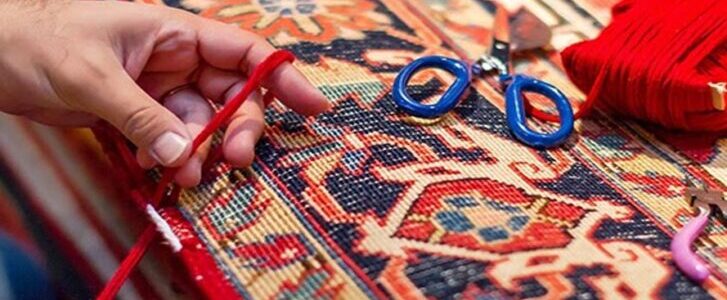
Hand-Knotting Techniques: Hand-knotting is a skill that is passed down from generation to generation and is used in the creation of many Indian rugs and carpets. Each knot is skillfully tied by artisans, which adds to the rug’s beautiful designs and long lifespan.

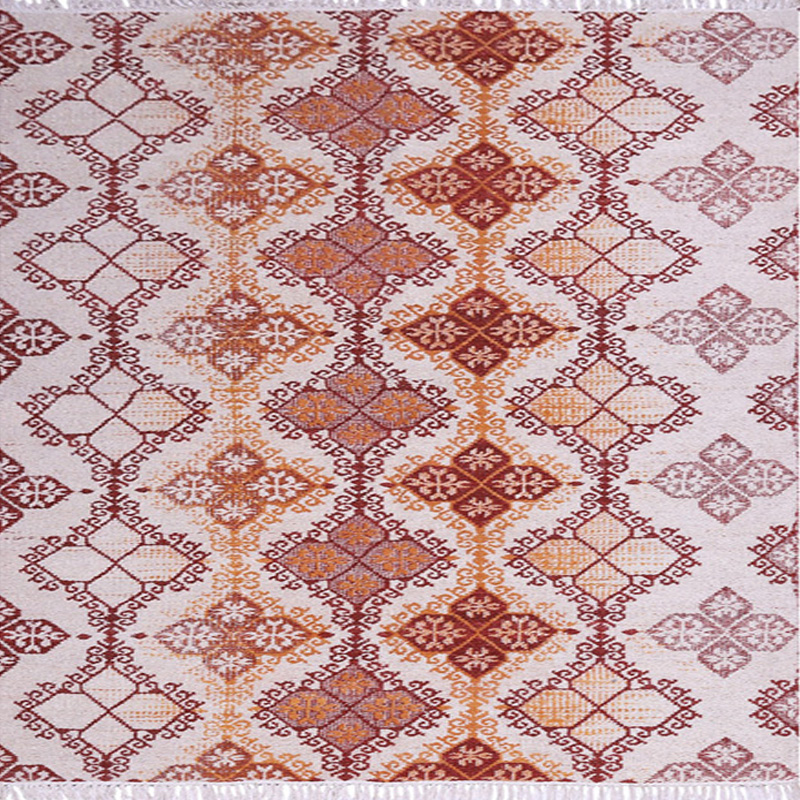
Traditional Designs: Indian rugs frequently have classic designs including geometric forms, florals, vines, and animals. In addition, religious and cultural elements may have served as inspiration for the patterns, which highlight India’s rich past.

Craft Villages: Indian rug and carpet manufacture is primarily focused in certain areas, or “craft villages,” where whole communities are devoted to the art form. Every region could have its distinct methods and styles.

Training Future Generations: Many families are committed to preserving their heritage by passing down the skills and techniques of rug and carpet making to younger generations. This ensures the continuation of traditional craftsmanship.

Adaptation to Contemporary Styles: While preserving traditional techniques, Indian artisans also adapt to modern tastes and design trends. This flexibility keeps the craft relevant in today’s global market.

Conclusion

Well, now we know the difference between a rug and a carpet. India is quite famous for its hand-knotted rugs and Indian wool rugs also hold a special demand worldwide. If you are looking for handwoven rugs in India, then Shree Sai International manufactures a wide range of carpets and rugs. All their rugs are handmade by the skilled artisans of India, they are one of the leading exporters in India with a vast clientele base all over the world. They are well-known for the rug’s quality and traditional designs with a modern touch. Shree Sai International is a brand that is preserving the rich culture and tradition of handmade rugs and carpets. 

FAQS

What distinguishes handwoven rugs and carpets from machine-made alternatives?

Handwoven rugs and carpets are crafted manually by skilled artisans, each piece a unique creation. This process involves meticulous attention to detail, precision, and a level of craftsmanship that sets them apart from mass-produced machine-made counterparts.

What materials are commonly used in handwoven rugs and carpets in India?

Skilled artisans in India commonly use materials like wool, silk, or a blend of both for crafting handwoven rugs and carpets. The choice of material can influence the texture, durability, and appearance of the final product.

Are handwoven rugs and carpets customizable to specific design preferences?

Yes, Shree Sai International in India offers customization options. Clients can work closely with artisans to choose designs, colors, and even sizes that align with their preferences and complement their living spaces.

How can we ensure the authenticity of handwoven rugs and carpets when importing from India?

Look for reputable suppliers with a history of craftsmanship and positive reviews. Request detailed information about the artisans, weaving techniques, and materials used.

Are customization options available for importing handwoven rugs to meet specific market preferences?

Shree Sai International offers customization. Discuss design, color, and size options with them to ensure the rugs align with the preferences of your target market.


Different Types Of Rugs With Pictures For Living Room

Different Types Of Rugs With Pictures For Living Room

Introduction To Rugs

Rugs are one of the most used decorative elements in every house as well as for other utility purposes, in spite of the fact that rugs are as old as humans, they have been used from the earliest times of mankind. There are various types of Rugs now available in the market which are used in homes.

A historian has found some references to the art of rug weaving in classical writing and ancient scriptures, the marks in history denote nomadic Mongolian, Eurasian, and Siberian dating back to the 3rd millennium B.C.

According to the first rug weavers, who introduced the idea behind making rugs and carpets to the rest of the world, these rugs are majorly used for sitting purposes, and as sleeping surfaces to keep them warm in cold weather.

Types of Rugs

The various types of rugs are available in the market, which is enlisted below:

  • Knotted Rugs
  • Shag Rugs
  • Braided Rugs
  • Hooked Rugs
  • Natural Fibre Rugs
  • Wool Rugs
  • Silk Rugs
  • Cotton Rug
  • Machine Woven Rugs
  • Tufted Rugs
  • Hand Woven Rugs
  • Square Shaped Rugs

Here, the above-enlisted types of rugs are explained briefly,


1. Knotted Rugs

Knotted Rugs

The Knotted Rugs are made up of a special type of loom that creates a pattern out of materials such as silk, cotton, wool, and many more. This knotted rug is aesthetically beautiful and also durable, in fact, many knotted-type rugs are handmade by definition.

This knotted rug is generally more expensive as compared to non-knotted counterparts, they are also known for their durability and longevity, such as in some cases it lasts up to 20 years, also it depends upon whether or not you are taking care or maintenance.


2. Shag Rugs

Shag Rug

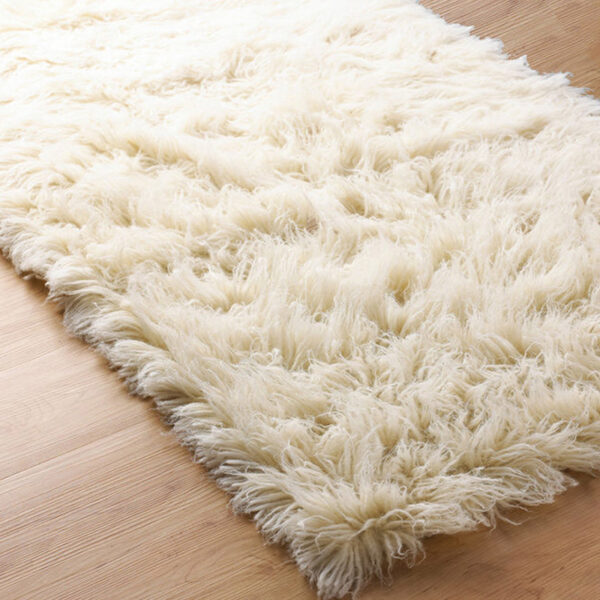
This shag-type rug or carpet originated in the groovy decade adds beauty to a room or house because of its unique appearance and texture, and it is incredibly soft to the touch, which makes users pleased to walk on and gives extra coziness in cooler weather.


3. Braided Rugs

Braided Rugs

Braided Rug

Braided rugs were a staple of colonial interior design in the United States; they were popular because they could be made of virtually any material, including scraps and excess fabric.

Due to the nature of construction, which occurs in a circular manner, braided rugs often feature colourful patterns that are unique, however, it is possible to have a braided rug come in a single or solid colour.


4. Hooked Rugs

Hooked Rugs

Hooked Rugs

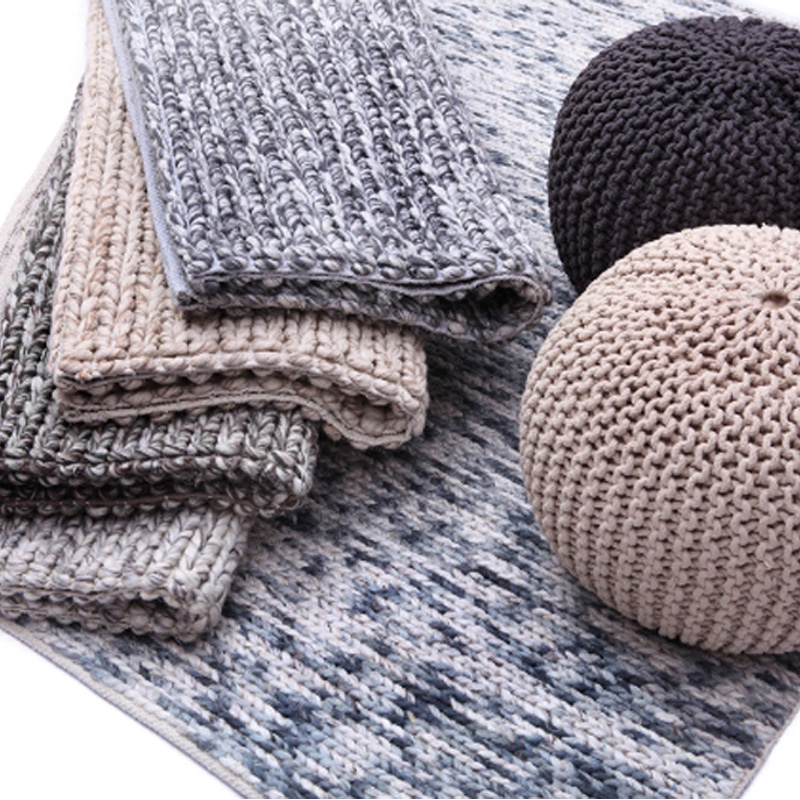
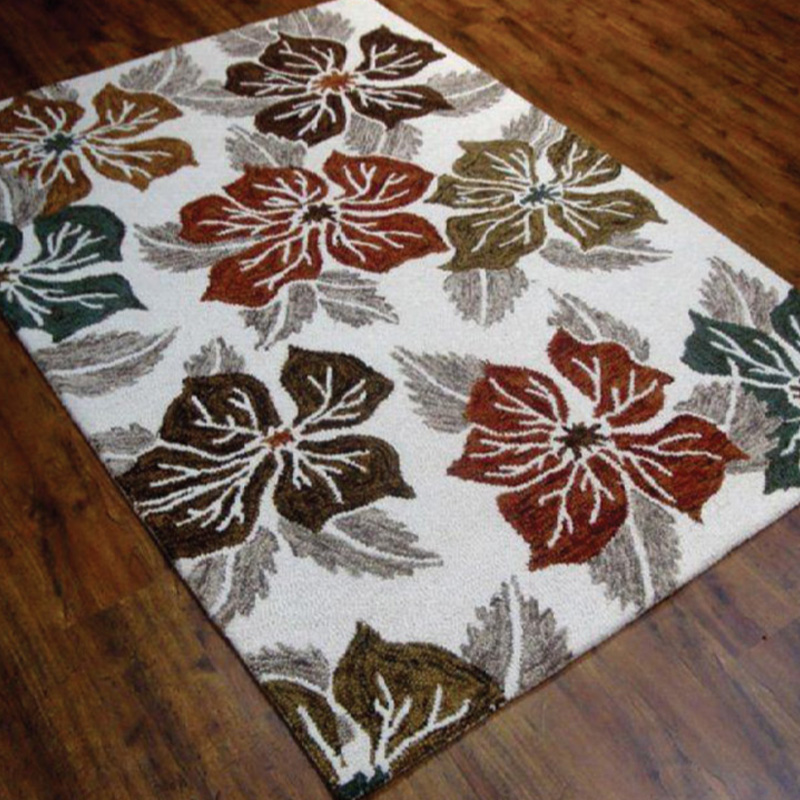
These hooked rugs are made by using connected threads of yarn and a crochet hook, the end result is a slightly rustic-looking rug that keeps its imperfection and natural bumps.

Also, this hooked rug is delicate in nature, has a slightly shorter lifespan than some other rugs types, and it lasts up to 10 years.


5. Natural Fibre Rugs

Natural Fibre Rug

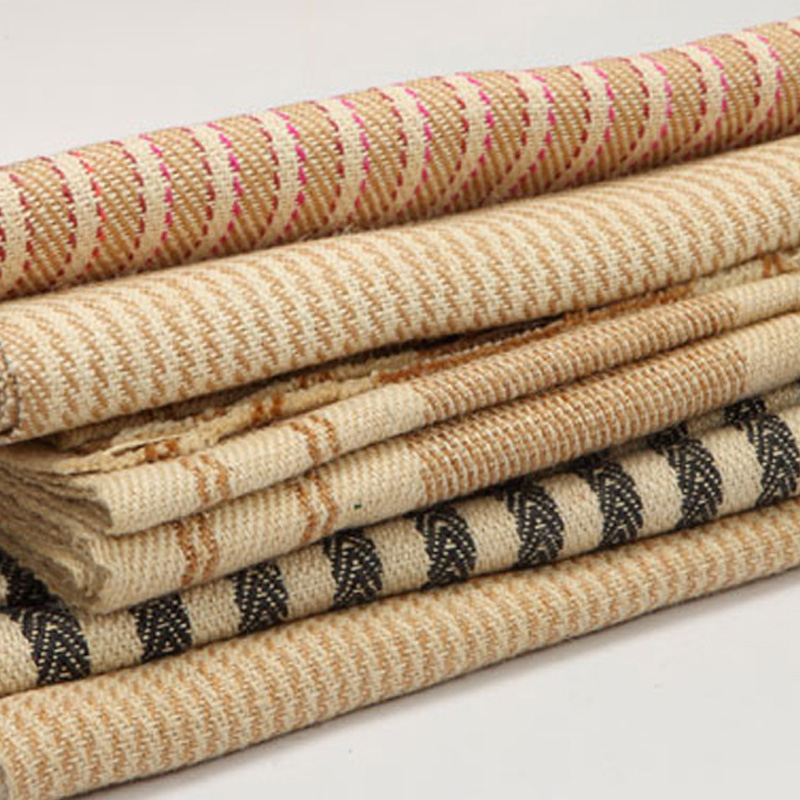
This natural fiber rug brings an organic look and neutral texture in a flat weave to any setting, also this type of rug adds a casual look to your house or living room.


6. Wool Rugs

Wool Rugs

Wool is one of the most famous materials for rugs and is needed for the ability to bring comfort and warmth, and also an eco-friendly and sustainable option for making rugs or carpets because it is harvested from sheep in the summer season and again it grows naturally year after year.

Also, this wool rug may last up to 60 years, and its fibers are remarkably durable and retain their shape when stretched. Overall the wool rugs decorate a room and open space and have a good floor covering which is soft to walk on and sit on.


7. Silk Rugs

Silk Rugs

Silk Rugs

These silk rugs are luxurious types of rugs, the elegant brilliance of silk makes it ideal for creating works of art and provides a smooth texture.

Manufacturing silk rugs takes a longer time as compared to making wool rugs, also more durable than silk rugs, wool rugs. Also, it requires proper maintenance and professional cleaning.


8. Cotton Rugs

Cotton Rugs

Cotton Rug

This type of rug is mostly used in the bedroom, dining room, living room, and kitchen and it is the most versatile rug which comes in countless variations like colors, design or pattern, and weaves.

The biggest advantage of using this cotton type of rug is that it requires low maintenance and is easy to clean, also you can wash them in a washing machine.


9. Machine Woven Rugs

Machine Woven Rugs

Machine woven rugs as the name suggests is made by large machines called power looms, this power loom is electrically automated and controlled by computers, also this rug can be made quickly and manufactured with different material such as synthetic fibers, wool, nylon, acrylic silk, art silk, polyester, polypropylene, etc.

Also, machine-woven types of rugs can offer a lower price as compared to hand-knotted rugs because they require less effort, and less time it usually has a long life span of about 20 years or less, and it completely depends upon the fiber and quality used.


10. Tufted Rugs

Tufted Rugs

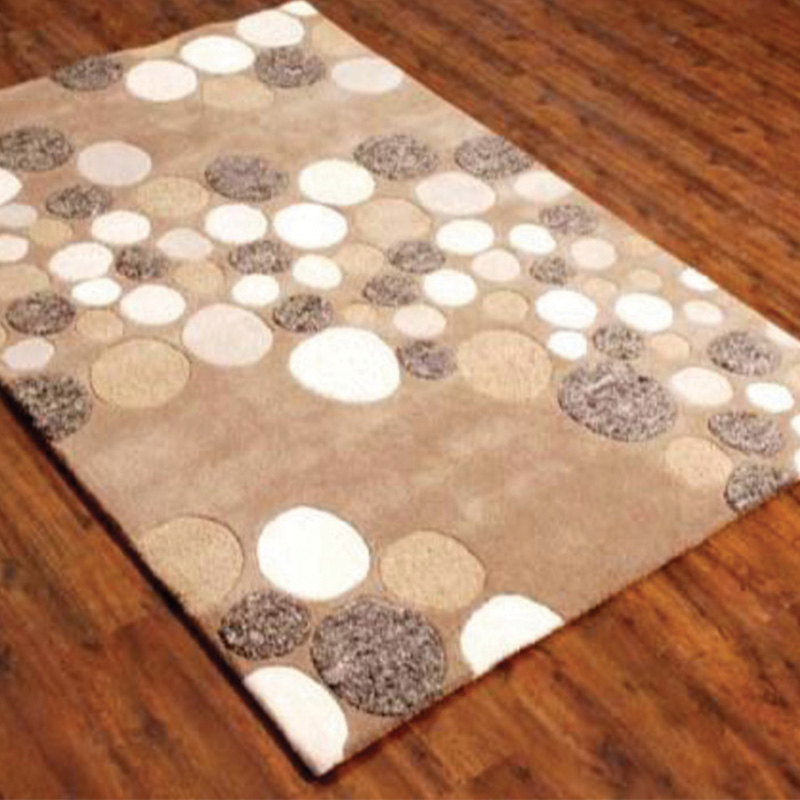
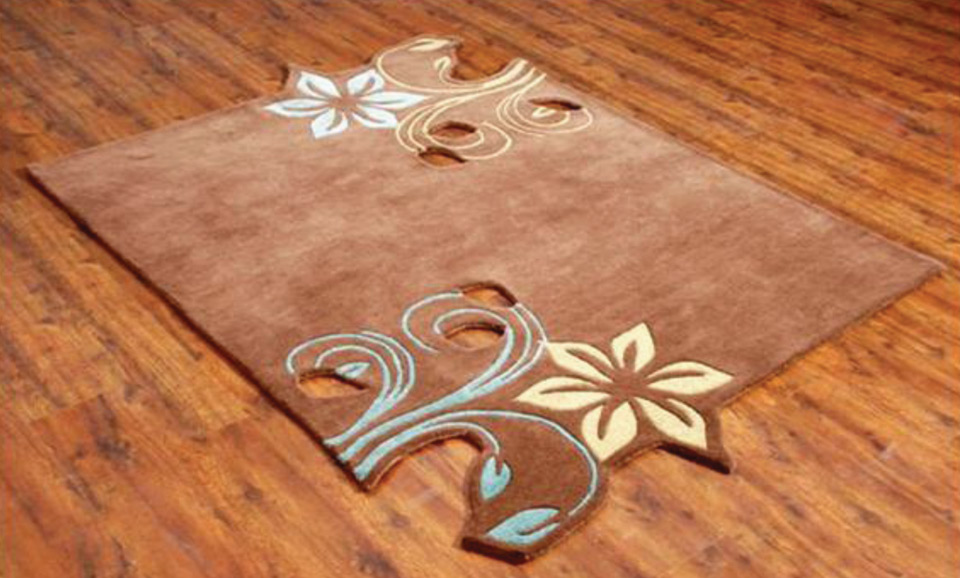
This hand-tufted rug is also known as hand-crafted or handmade, but it is made using a modified hand-held drill gun that inserts the piles into a cloth foundation and creates a loop pile. If the loop pile is sheared then it becomes a cut pile, the loop pile rug if not sheared is called a “Hand-hooked rug”.

Some rug designs have both cut pile and loop pile combined for creating a dimensional effect to the pattern, a latex coating is then applied to the back of the rug for holding the “tufts” in place. And a canvas–type fabric is then applied over the latex coating for finishing the back of the rugs.

These types of rugs have a handmade look but they cost much less because using the gun speeds up the process dramatically, for example, a good quality 8’x20’ hand-knotted rug might take anywhere from 7 to 14 months it is depending on the quality, while the same size rug made in a hand-tufted method might take one day.


11. Hand Woven Rugs

Hand Woven Rugs

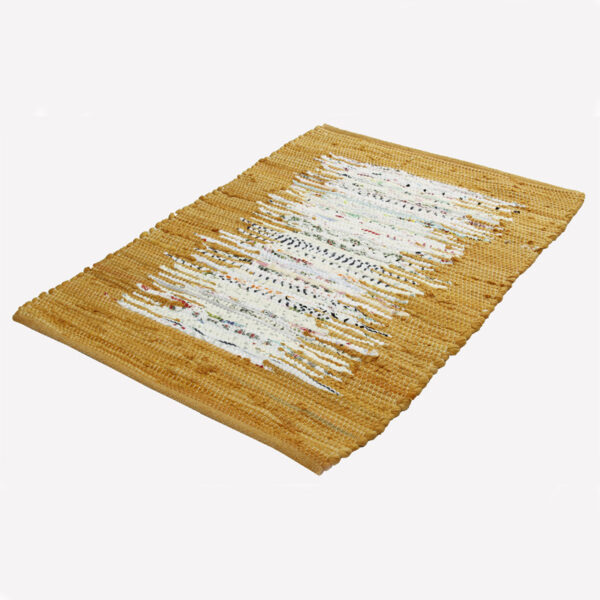
Handwoven rugs are woven on a handloom and it requires 1 to 4 people to weave rugs, however, the number of people required totally depends upon the size of the rugs. Also, the yarn with the weft and warp cycle makes a smooth weaving process.

The hand-woven types of rugs last longer due to their durability, it is a versatile product because it is easy to wash or clean, and reuse, and also gives better resale value.


12. Square shape rugs

Square shape rugs

Its name suggests this rug has four equal sides and making them square-shaped rugs, and is easily available in various colors, designs, and patterns, also it is best for a square–shaped room.

Mostly these square types of rugs are used for putting square furniture on it like a coffee table, TV Stand, bookshelf, and shoe rack.

Here’s Why Handmade Rugs Might Be The Perfect Choice For You.

The small décor in the center of the house connects all the design points of the room. Yes, we are talking about handmade rugs! People prefer rugs not only to be comfortable when the temperature drops, but also to decorate the floor effectively. Did you know that carpets have evolved over the centuries from simple forms to artistic ones? Especially when it comes to handmade carpets! Handmade rugs can add elegance and beauty to any smooth surface. A large team of experts will test every rug knot over the years to achieve this intricate design on every rug. In fact, they spend up to a year on each node. Handmade rugs from Manufacturers in India and Pakistan have their own masterpieces. That’s what it has been said, A handmade rug is a real work of art. This piece of art that you live in is a wonderful combination of properties that add value to your home, are inherited, cherished over time, age gracefully and most importantly, passed down from generation to generation. Did you know that a handmade carpet made from natural sound insulation absorbs up to 30% of its weight in the form of moisture and releases or retains moisture, keeping it warm in winter and cool in summer? Handmade rugs are widely used in recording studios and apartments because of their natural sound insulation (for heating and cooling rooms). Free of organic and chemical substances: do you have sensitive skin? Allergies can occur if you use processed synthetic rugs that contain subtle toxins. Ultimately, skin reactions can occur in people with sensitive skin. In comparison, handmade carpets are completely environmentally friendly and do not contain chemicals, so they do not endanger the health of your family. Did you know that a good Persian rug costs between 100 and 600 knots per square inch? This makes the rug look beautiful and durable!

 In the meantime, an engine is produced to complement this design. Because of this, crafts are becoming more popular and valuable from generation to generation. Another reason for its popularity is that the number of skilled craftsmen is declining from year to year, and handmade carpets are becoming more rare and difficult to obtain. Conclusion When it comes to handmade carpets, each country has its own style and way of flooring. If you are looking for handmade Turkish rugs or handmade Pakistani rugs, you should buy these cultural handmade rugs from major carpet suppliers like Rug Online who have rugs from different countries to bring home. Many types of rugs can be found here, including round, antique, tribal, transitional, modern and traditional rugs.